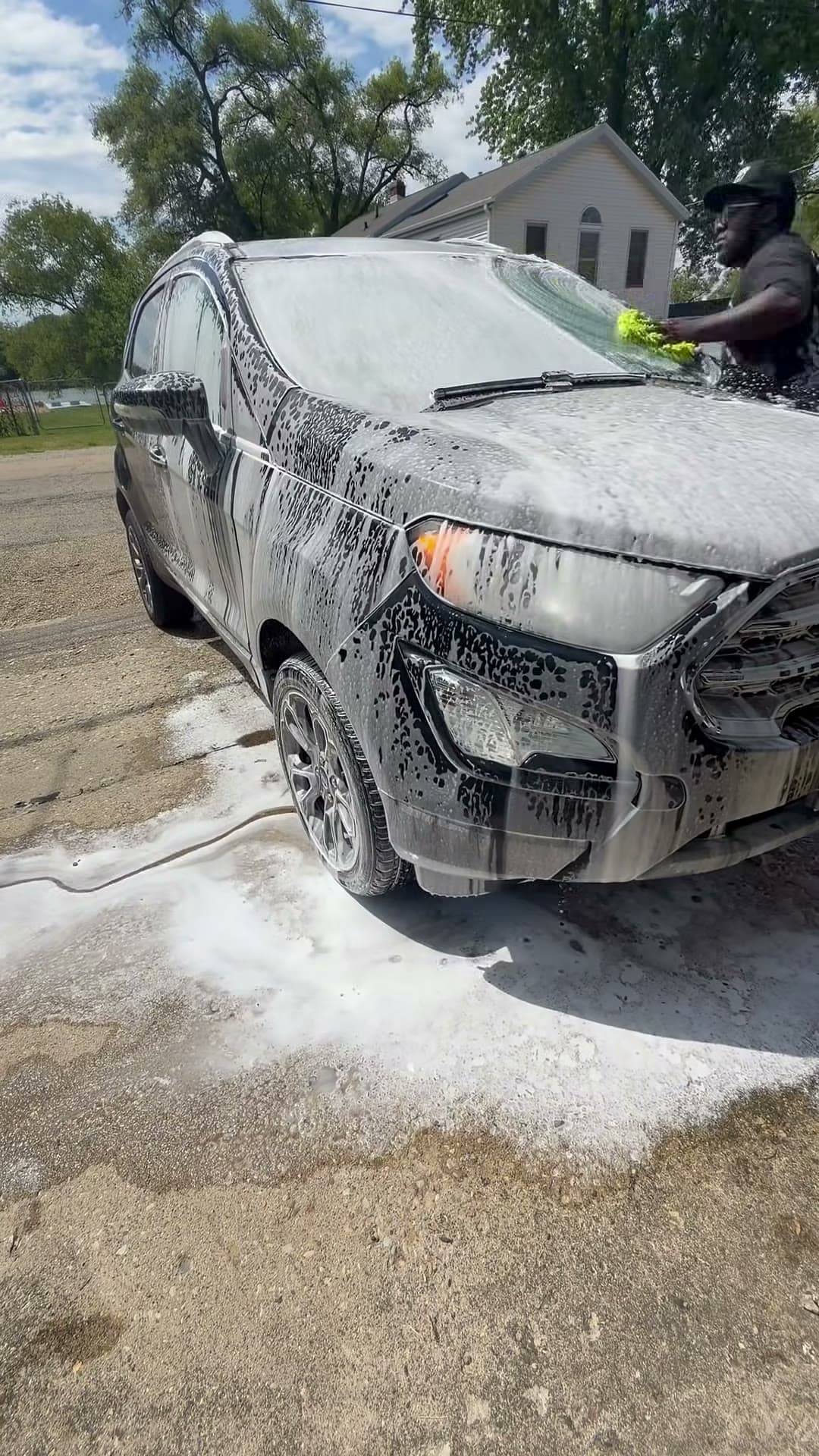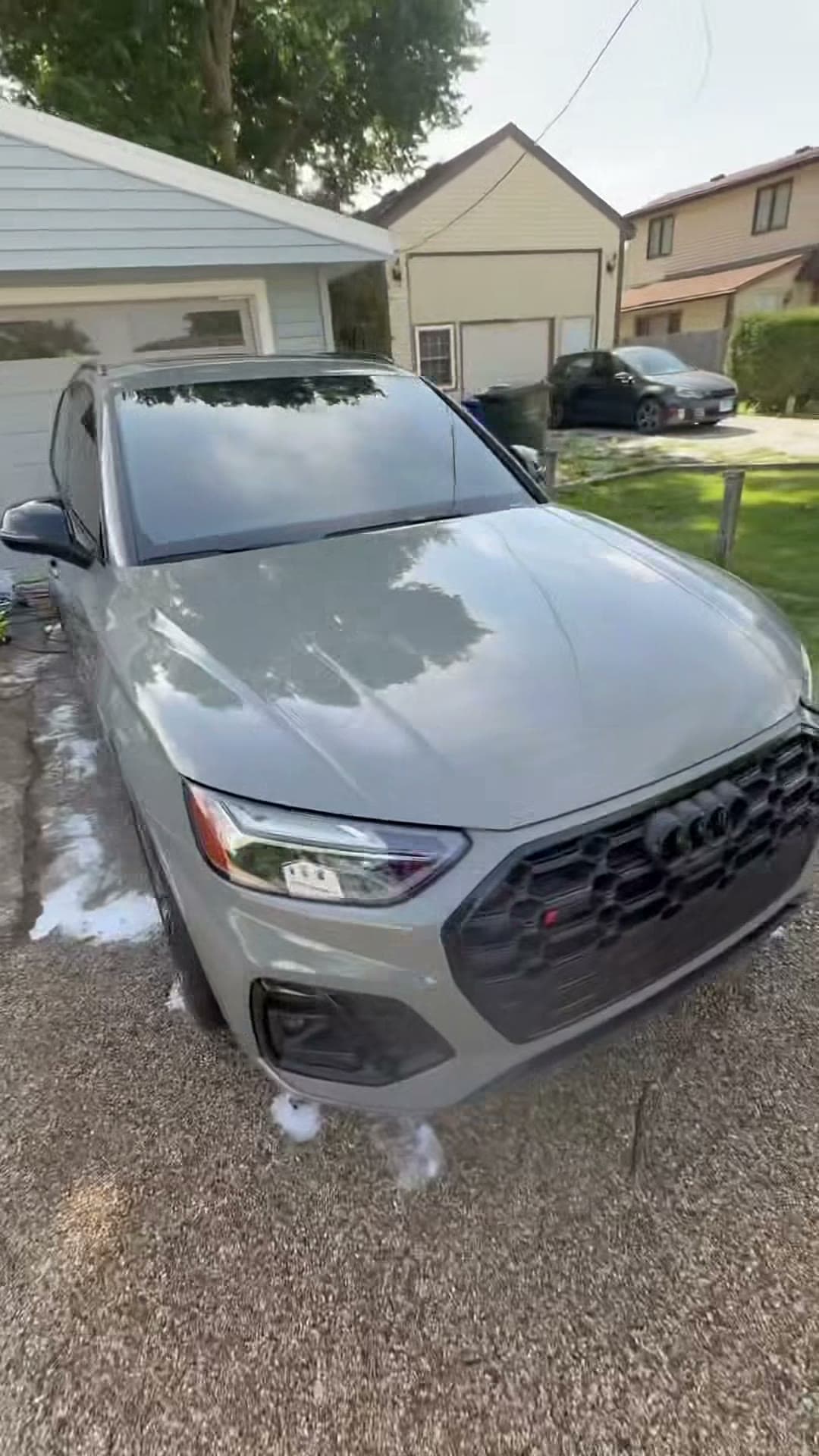
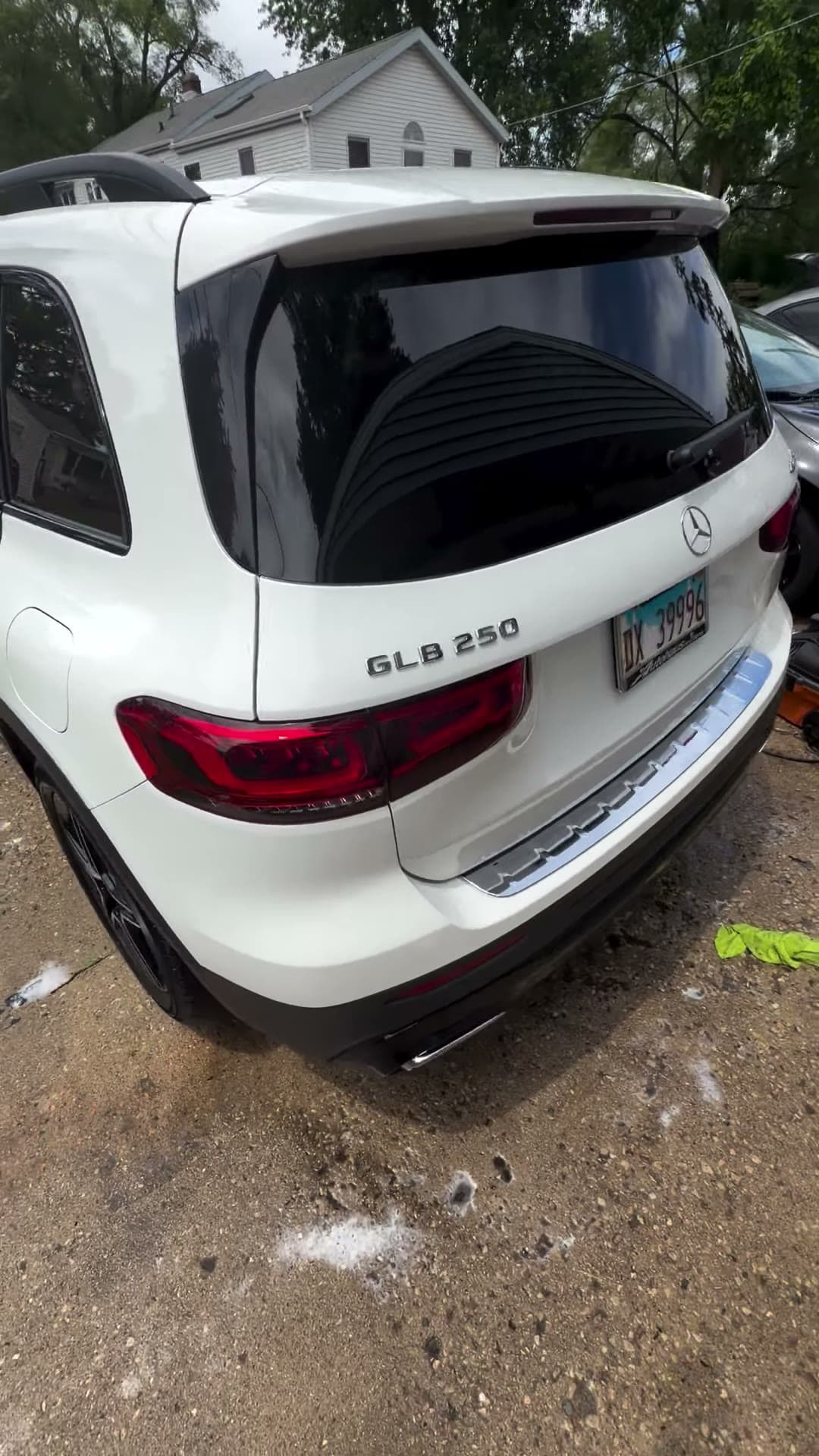
The easiest aftercare routine is small and repeatable: remove what does not belong, catch fresh spills early, keep mats from becoming storage, and notice exterior buildup before it becomes the only thing you see.
01
Reset the cabin at the end of ordinary trips
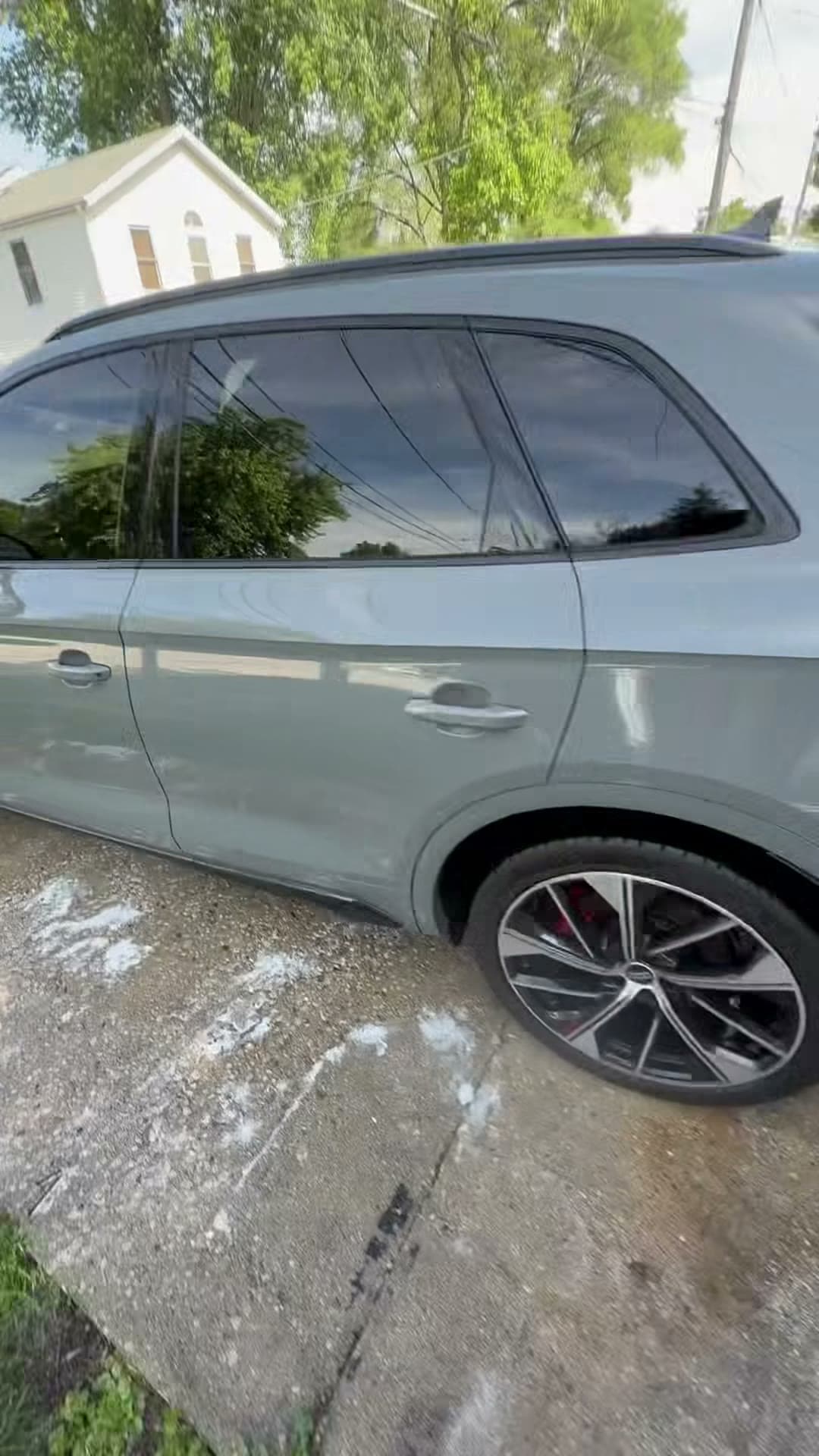
Take out cups, wrappers, and anything that migrated from a bag into the door pockets or console. This is not a full cleaning routine. It is a thirty-second habit that keeps loose clutter from covering the surfaces you just had reset.
If children, pets, sports gear, or work equipment use the vehicle regularly, give those items a defined place. A small removable bin or organizer is easier to empty than a cargo area full of loose objects. Keep valuables and paperwork out of the vehicle whenever practical.
02
Catch small interior problems while they are still small
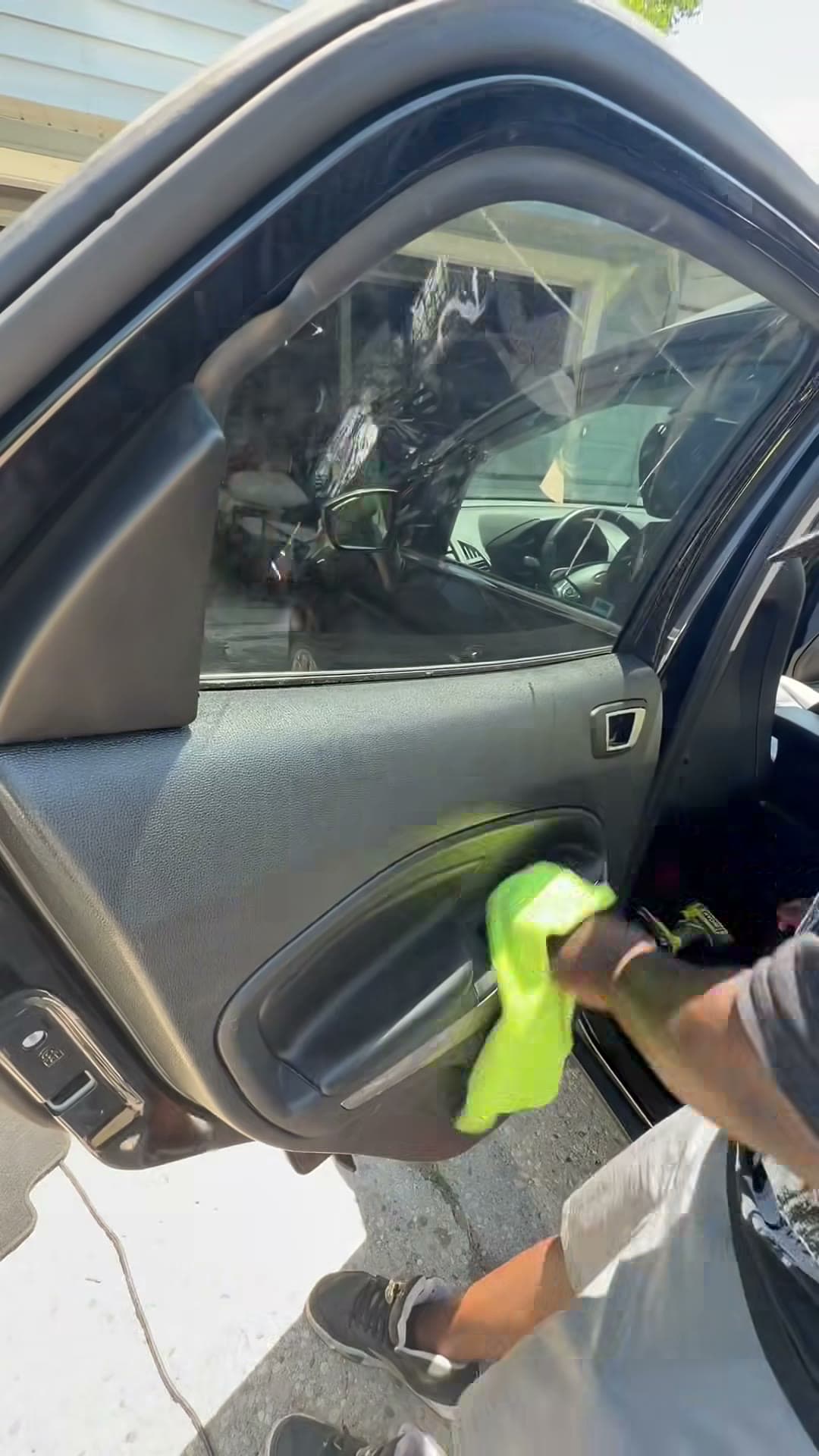
Blot fresh spills instead of aggressively rubbing them across a larger area. Follow the vehicle and material manufacturer's care instructions before applying a product. Different leather, coated trim, fabric, screens, and headliners do not all respond to the same cleaner or pressure.
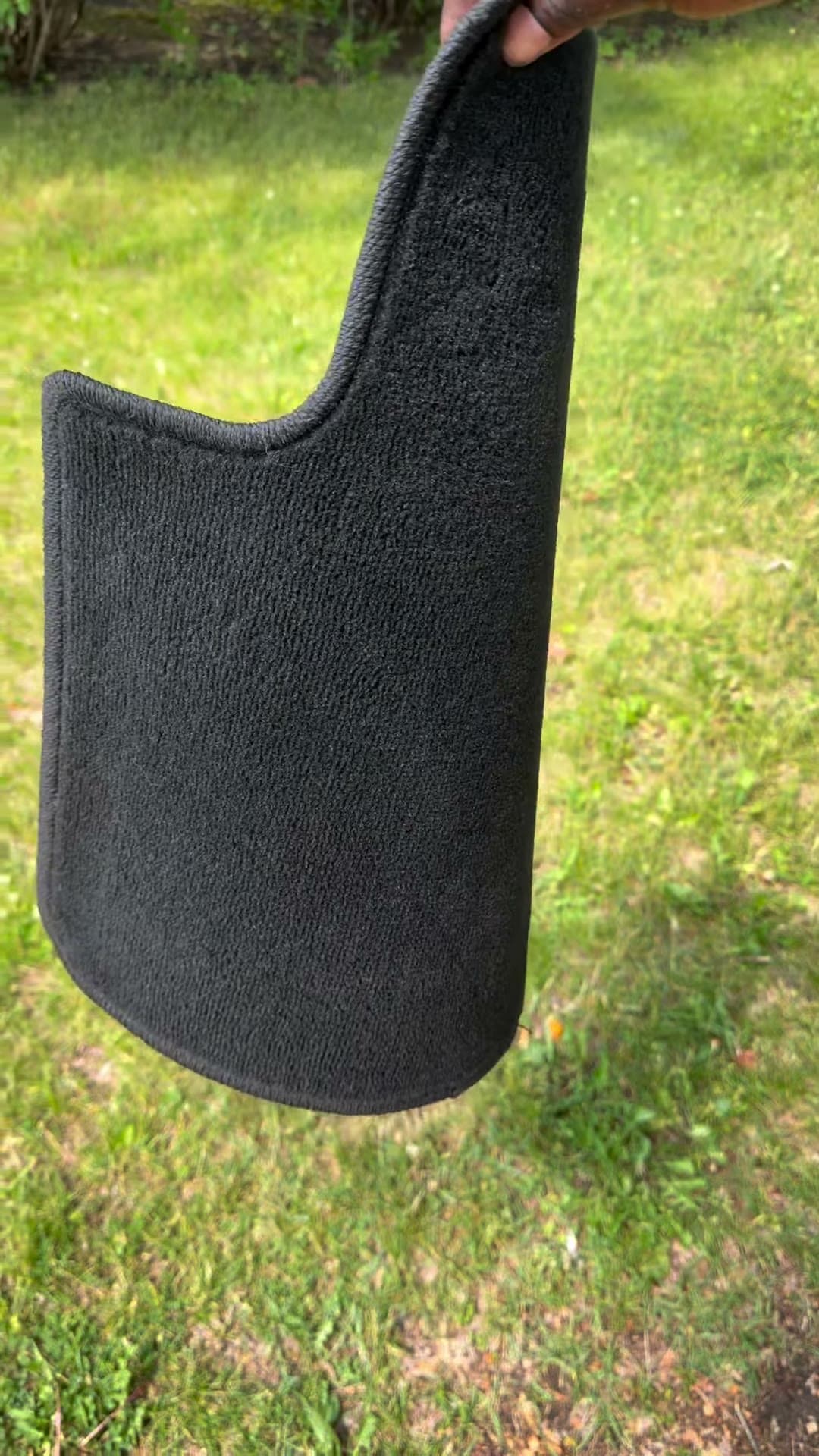
For pet hair, remove loose hair regularly before it packs into carpet and seat seams. For mats, shake out dry debris before it spreads to fixed carpet. When the condition is beyond the everyday pass, note it for the next appointment rather than experimenting with a harsh product.
03
Watch the surfaces that collect buildup first
Inside, check the driver footwell, cup holders, door pockets, rear-seat seams, and cargo edge. Outside, check wheel faces, lower doors, the front bumper, mirrors, and rear hatch. These are practical observation points because daily use and road spray tend to make them visibly change first.
You do not need a rigid schedule. Use the vehicle's real condition, your driving pattern, and the season. A family SUV used every day may need a different cadence than a second vehicle driven only on clear weekends.
04
Keep a note for the next request
When you notice a recurring area, add a quick note or photo to your phone. Record whether it is pet hair, odor, a seat or carpet mark, exterior contamination, trim, or a mat problem. That makes the next request specific without requiring you to remember every detail later.
When the vehicle is ready for another pass, choose the core package that matches the bigger need and add the focused work separately. We can then discuss the next mobile visit from a clear starting point.
Common follow-ups
Quick answers.
How often should I schedule detailing?
There is no single schedule for every vehicle. Use the real condition, daily use, season, and the surfaces that matter most to you.
What should I do with a fresh spill?
Blot rather than spread it, check the material manufacturer's guidance, and avoid experimenting with a harsh product. Mention the exact surface and condition when you contact us.